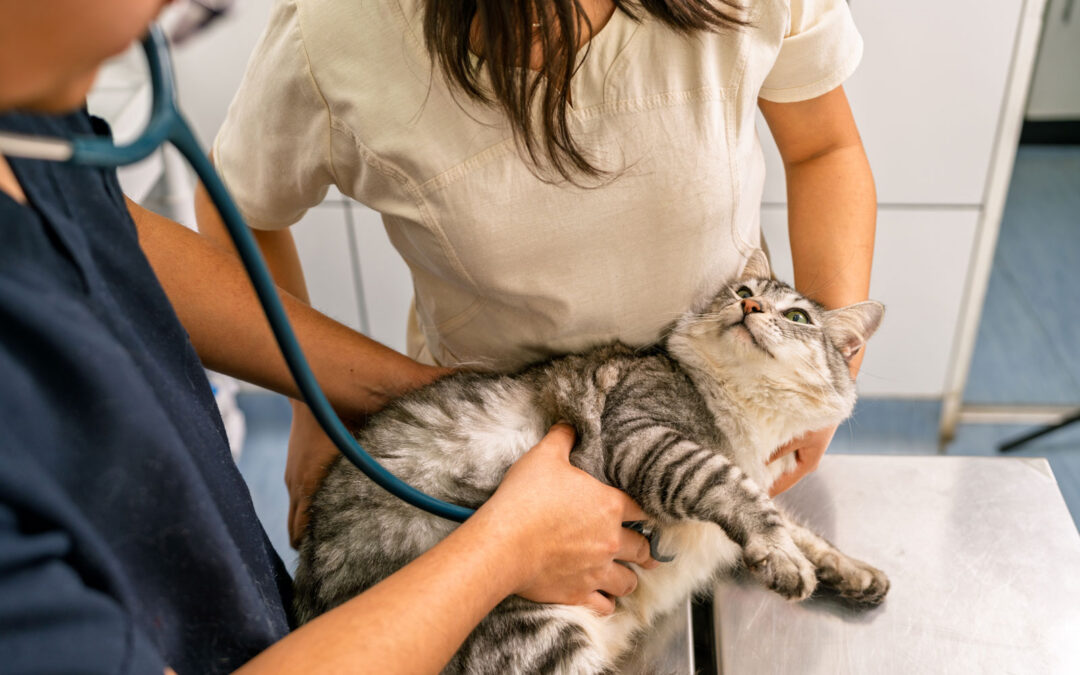
Choosing a Veterinarian in Spencer, IA: Top Tips and Advice
Finding a veterinarian in Spencer, IA, involves evaluating credentials and experience. Choosing the right professional helps ensure a pet’s long-term health and well-being.
According to the Insurance Information Institute, 94 million U.S. households own a pet. Keeping your fur baby healthy and happy relies on getting them the proper veterinary care.
Seeking out local vet recommendations can help narrow options and provide insight into quality care. Personal experiences from the community highlight clinics that prioritize pets’ health and comfort.
Follow these veterinarian selection tips to find Spencer pet care advice. Discover what goes into the best vet clinics in Spencer, IA, below.
How Do You Choose the Right Veterinarian in Spencer, IA for Your Pet?
Choosing the right veterinarian in Spencer, IA starts with verifying credentials and experience. Researching a clinic’s services ensures they meet a pet’s specific needs.
Visiting the facility helps evaluate elements such as:
- Cleanliness
- Staff professionalism
- Environment
- Preventive care
- Emergency protocols
- Communication styles
Clarify how the clinic supports ongoing Spencer pet health needs. Balancing these factors helps pet owners make informed decisions.
Recommendations from friends and family highlight positive experiences. Local pet communities provide insight into trusted professionals
Prioritizing the long-term well-being and comfort of your pet is essential.
What Factors Matter Most When Comparing the Best Vet Clinics in Spencer?
The Conversation reveals that Americans spent $41 billion on veterinary costs in 2025. When comparing the best vet clinics in Spencer, consider how clinics maximize value for the investment.
Check appointment availability and office hours. Assess cost transparency to understand pricing and payment options.
Look for clinics offering specialized services, such as dental care or senior pet programs. Evaluate how emergencies and follow-up care are handled.
Consider location and ease of access to reduce travel stress. Focusing on practical and targeted factors allows pet owners to select a clinic that provides consistent care.
How Can Veterinarian Selection Tips Help First-Time Pet Owners Decide?
Utilizing veterinarian selection tips guides first-time pet owners through unfamiliar decisions. Learning which questions to ask helps clarify a pet’s specific needs.
Observing how a clinic introduces preventive care offers insight into overall practices. Reviewing available wellness programs highlights opportunities for proactive care.
Understanding communication methods supports ongoing pet health. This includes digital updates or follow-up guidance.
Establishing trust with the veterinarian lays the foundation for a pet’s long-term wellness. Using these tips encourages healthy routines for both pets and their owners.
What Should Pet Owners Ask Before Committing to a New Veterinary Clinic?
The American Veterinary Medical Association found that 86.8% of dog owners and 77.1% cat owners report having a regular veterinarian or veterinary practice. When it comes to actually visiting a veterinary practice, these numbers drop to 74.2% for dogs and only 57.3% for cats.
Many pets do not visit a veterinary clinic regularly, even if they have a regular veterinarian.
Example questions to ask a potential vet include:
- What are the veterinarian’s specializations?
- How does the clinic handle after-hours emergencies?
- Do you offer telemedicine or virtual consultations?
- What wellness exams are available for pets of different ages?
Owners should ask these questions to ensure the best veterinarian fit.
How Do Licensing and Continuing Education Affect Veterinary Care Quality?
Licensing confirms that a veterinarian meets professional standards. It ensures they can practice veterinary medicine safely.
Ongoing education enables current knowledge on medical advances. Learning new treatments improves care quality.
Following the necessary requirements reduces errors and enhances outcomes. Clinics adopt the best practices to maintain high standards.
Veterinarians create health plans using evidence-based treatments. Regular examinations help maintain overall wellness.
Monitoring health consistently preserves long-term well-being for each animal.
Why Does Communication Style Matter When Working With a Local Vet?
Clear communication helps pet owners understand diagnoses and treatment options. Listening carefully allows veterinarians to fully address concerns.
Explaining instructions in plain language ensures owners follow care plans correctly. A friendly, respectful tone encourages collaboration and builds trust.
Open dialogue reduces mistakes with medications or procedures. When owners feel informed, it improves their adherence to Spencer pet health guidance.
How Can Spencer Pet Care Advice Guide Long-Term Veterinary Decisions?
Proper Spencer pet care advice guides owners in scheduling checkups and vaccinations to prevent illness.
Receiving recommendations on diet and exercise promote ongoing wellness. Understanding early signs of health issues allows for prompt veterinary attention.
Advice helps owners choose specialists and appropriate treatments. Following evidence-based strategies improves adherence to care plans.
Expert tips support safe evaluation of new therapies to protect long-term health. Careful planning extends pets’ lifespan.
Consistent management enhances the overall quality of life for every pet.
Frequently Asked Questions
How Often Should Pets in Spencer, IA, Visit a Veterinarian for Routine Care?
Pets in Spencer, IA, should visit a veterinarian at least once a year for routine exams.
Puppies and kittens may need more frequent checkups for vaccinations. Senior pets benefit from biannual visits to monitor age-related conditions.
Regular visits help detect health issues early and maintain wellness throughout a pet’s life.
What Paperwork or Medical Records Should be Brought to a New Clinic?
Pet owners should bring vaccination records to a new clinic. Identification and microchip information confirm the pet’s identity.
Previous medical history helps veterinarians understand ongoing conditions. Listing current medications with dosages ensures safe care.
Including recent lab results or imaging reports provides context. Providing insurance details supports coverage and billing.
How Can Pet Owners Prepare Nervous Pets for Their First Appointment?
Owners can help nervous pets by familiarizing them with carriers or travel crates.
Using gentle handling and calm voices can reduce anxiety. Bringing favorite toys or blankets provides additional comfort.
Taking short practice trips builds confidence. Rewarding positive behavior with treats reinforces calmness.
Scheduling appointments during quiet hours minimizes stress.
Find Your Qualified Veterinarian in Spencer, IA, at Homestead Small Animal Practice Today
A veterinarian in Spencer, IA, ensures pets receive proper preventive care. Careful preparation makes appointments less stressful for animals. Consistently following professional guidance strengthens the long-term health and promotes your pet’s lasting well-being.
Homestead Small Animal Practice, located in Spencer, IA, provides the highest quality veterinary care available in the region. We offer dental, immunization, wellness exams, and so much more. Our caring team treats your pets like our own, whether they’re a cat, dog, or exotic pet; they’re in good hands here.
Contact Homestead Small Animal Practice to schedule your pet’s next appointment with us today.