
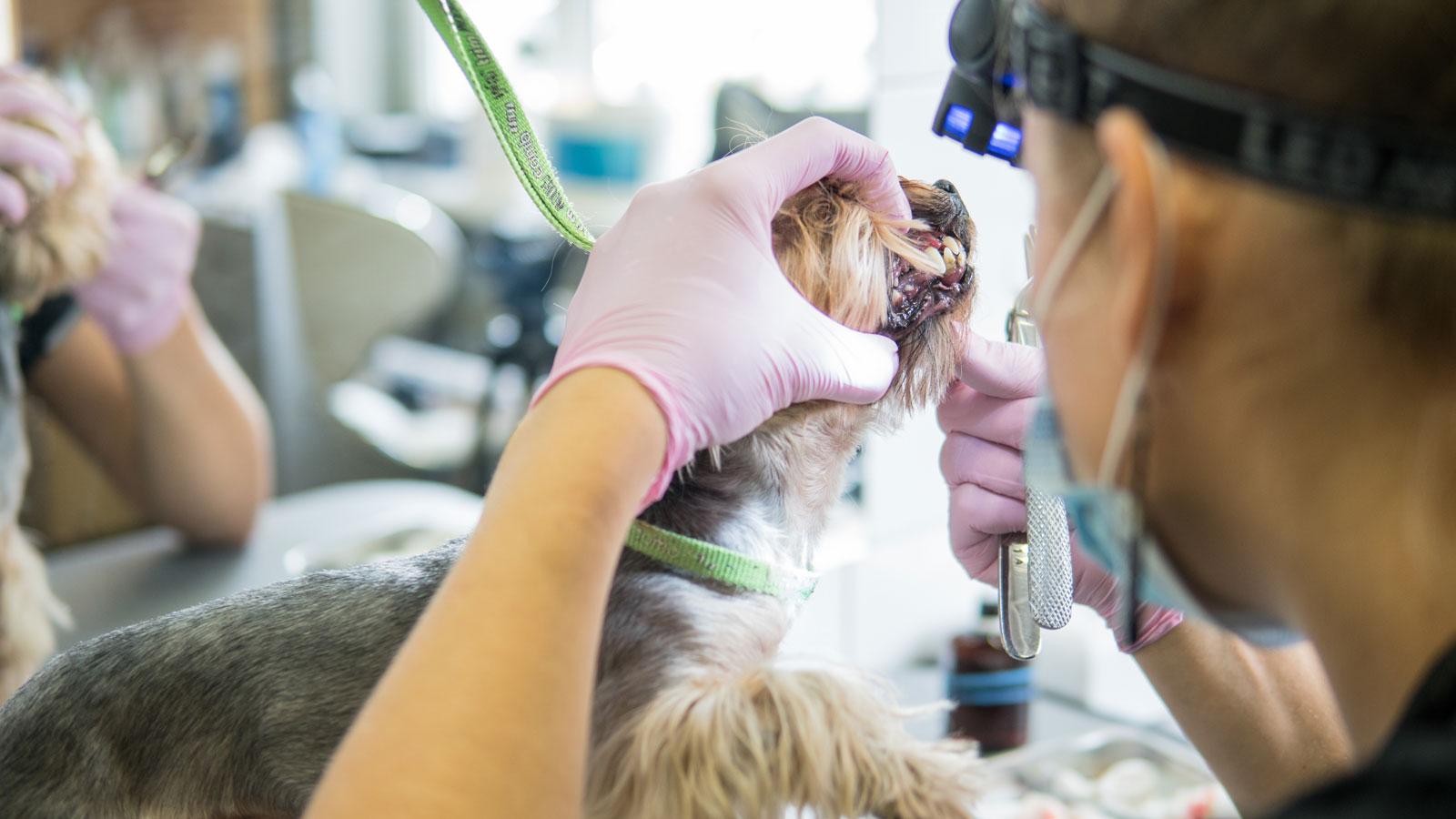
Pet dental care in Spencer, IA, plays an important role in overall health and well-being. Professional pet dental cleaning helps reduce plaque buildup and supports healthier teeth and gums over time.
Data from Banfield Pet Hospital revealed that 73% of dogs and 64% of cats had some form of diagnosed dental issues. This was based on records from more than 3 million pets in its database.
The importance of pet oral health cannot be overstated. Pet dental disease prevention focuses on reducing infection risk and limiting pain.
Learn more about pet dental hygiene tips and local pet dental services in Spencer, IA, below.
How Often Should Dogs and Cats Receive Professional Dental Cleanings?
Dogs and cats typically benefit from professional dental cleanings once a year. This helps manage plaque and tartar buildup.
Some pets, especially small breeds, may require cleanings every six months. Those with existing dental disease will need specialized care based on veterinary evaluation.
Receiving regular dental exams helps establish the right schedule for each animal. Consistent care supports healthier gums.
Maintaining your pet’s dental health reduces the risk of painful infections and long-term oral health complications.
What Signs Indicate a Pet Needs Dental Care Right Away?
MarketWatch reports that the average cost of dental disease ranges between $500 and $800. For full tooth extractions, it can easily cost thousands of dollars, especially for emergency care.
Indicators that a pet needs dental care right away include:
- Persistent bad breath
- Swollen gums
- Visible tartar
- Difficulty eating
- Excessive drooling
- Lethargy
Some pets may paw at their mouths or avoid chew toys when discomfort develops. Seeking prompt veterinary evaluation helps identify infections early and prevents dental disease from progressing further.
How Does Pet Dental Care in Spencer, IA, Support Long-Term Health?
Pet dental care in Spencer, IA, supports long-term health by reducing harmful bacteria and controlling plaque accumulation.
Routine cleanings help protect gums and preserve stronger teeth as pets age. Untreated dental disease can contribute to discomfort and broader systemic complications over time.
Professional monitoring helps identify concerns before they become severe. Consistent oral care supports better daily comfort and healthier long-term function.
Can Poor Dental Health Affect a Pet’s Heart or Kidneys?
Poor dental health can absolutely affect a pet’s heart and kidneys. This happens when harmful oral bacteria enter the bloodstream.
Dental bacteria may contribute to inflammation and place additional strain on vital organs over time. Advanced dental disease can create chronic infections that negatively impact overall body function.
Early treatment lowers the risk of serious complications developing throughout the body. Regular dental care helps reduce bacterial buildup and supports healthier long-term wellness.
What Happens During a Professional Pet Dental Cleaning Appointment?
During a professional pet dental cleaning appointment, veterinarians examine the teeth and gums for signs of disease or damage.
Pets typically receive anesthesia so the dental team can clean thoroughly and safely below the gumline without incident. Specialized tools remove plaque and tartar from each tooth surface.
Many appointments include dental X-rays to identify hidden concerns beneath the gums. The process supports healthier teeth and improves oral comfort.
How Can Pet Owners Maintain Healthy Teeth Between Cleanings?
Maintaining healthy teeth between cleanings is essential. It involves establishing regular brushing and consistent oral care routines at home.
Dental chews and veterinarian-approved diets may help reduce plaque accumulation between appointments. A trusted veterinarian in Spencer can recommend products based on a pet’s age and breed.
Routine monitoring helps identify early warning signs before serious oral problems develop. Consistent care supports healthier gums and stronger teeth over time.
Are Certain Dog and Cat Breeds More Prone to Dental Problems?
Yes, certain dog and cat breeds are more prone to dental problems due to their genetics and jaw structure. Small dog breeds like Chihuahuas and Yorkshire terriers often experience crowded teeth that trap plaque.
Flat-faced cats like Persians and pug dogs may also have alignment issues that increase risk. These anatomical differences make routine dental care especially important.
Regular veterinary monitoring helps catch problems early and supports healthier long-term oral outcomes.
When Should Puppies and Kittens Begin Routine Dental Care?
According to the American Veterinary Dental Society, over 80% of dogs and 70% of cats exhibit signs of dental disease by the age of three.
Puppies and kittens should begin routine dental care as soon as their baby teeth erupt. This usually occurs within the first few months of life.
Early care helps them become comfortable with handling and reduces future dental anxiety. Veterinarians often introduce gentle exams and guidance during initial wellness exams.
Establishing good dental habits early on supports better long-term oral health.
Frequently Asked Questions
What Are the Early Warning Signs of Dental Disease in Pets?
Early dental disease in pets may cause subtle behavioral changes before severe symptoms appear.
Some animals become less playful or show reduced interest in chew toys and dry food. Mild gum sensitivity can lead to slower eating habits.
Changes in chewing patterns often signal developing oral discomfort that requires veterinary attention.
Does At-Home Brushing Replace Professional Pet Dental Cleanings?
At-home brushing helps reduce plaque buildup and supports better daily oral hygiene.
However, professional dental cleanings remain necessary because veterinarians clean below the gumline and evaluate hidden concerns. Dental x-rays and thorough examinations identify issues that brushing alone cannot detect.
Combining care provides stronger long-term protection against progressive dental disease.
Can Diet Choices Influence A Pet’s Dental Health Over Time?
Yes. Diet choices can significantly influence dental health by affecting plaque accumulation and tooth wear.
Dry kibble and dental-specific diets may help reduce buildup during abrasive chewing. Soft foods may contribute more to dental residue if not paired with proper oral hygiene.
Balanced nutrition supports stronger teeth and healthier gums.
Trust Your Pet’s Dental Health to Homestead Small Animal Practice in Spencer, IA, Today
Pet dental care in Spencer, IA, focuses on preventing disease early and supporting long-term oral health. Routine cleanings remove plaque and tartar while helping detect dental issues before they worsen. Ongoing care helps reduce the risk of painful infections and supports stronger health.
Homestead Small Animal Practice, located in Spencer, IA, provides the highest quality veterinary care available in the region. We treat you and your pet with respect and kindness. Our payment plans make it easy to manage veterinary care costs.
Contact Homestead Small Animal Practice to schedule your pet’s next appointment with us today.