May 30, 2026
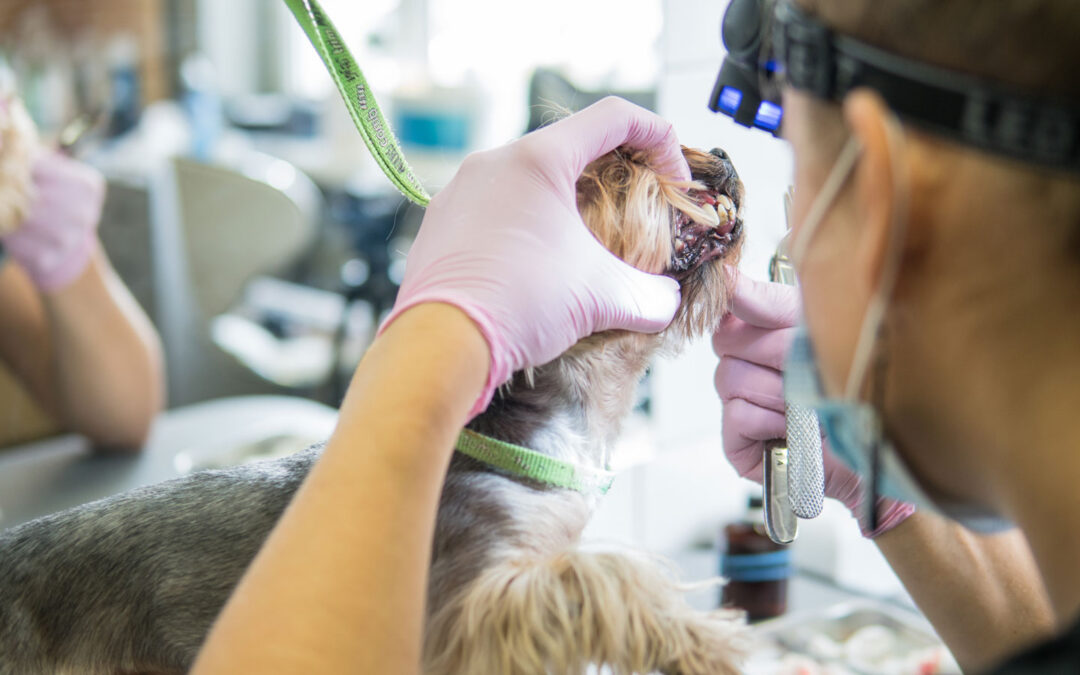
Pet dental care in Spencer, IA, plays an important role in overall health and well-being. Professional pet dental cleaning helps reduce plaque buildup and supports healthier teeth and gums over time.
Data from Banfield Pet Hospital revealed that 73% of dogs and 64% of cats had some form of diagnosed dental issues. This was based on records from more than 3 million pets in its database.
The importance of pet oral health cannot be overstated. Pet dental disease prevention focuses on reducing infection risk and limiting pain.
Learn more about pet dental hygiene tips and local pet dental services in Spencer, IA, below.
How Often Should Dogs and Cats Receive Professional Dental Cleanings?
Dogs and cats typically benefit from professional dental cleanings once a year. This helps manage plaque and tartar buildup.
Some pets, especially small breeds, may require cleanings every six months. Those with existing dental disease will need specialized care based on veterinary evaluation.
Receiving regular dental exams helps establish the right schedule for each animal. Consistent care supports healthier gums.
Maintaining your pet’s dental health reduces the risk of painful infections and long-term oral health complications.
What Signs Indicate a Pet Needs Dental Care Right Away?
MarketWatch reports that the average cost of dental disease ranges between $500 and $800. For full tooth extractions, it can easily cost thousands of dollars, especially for emergency care.
Indicators that a pet needs dental care right away include:
- Persistent bad breath
- Swollen gums
- Visible tartar
- Difficulty eating
- Excessive drooling
- Lethargy
Some pets may paw at their mouths or avoid chew toys when discomfort develops. Seeking prompt veterinary evaluation helps identify infections early and prevents dental disease from progressing further.
How Does Pet Dental Care in Spencer, IA, Support Long-Term Health?
Pet dental care in Spencer, IA, supports long-term health by reducing harmful bacteria and controlling plaque accumulation.
Routine cleanings help protect gums and preserve stronger teeth as pets age. Untreated dental disease can contribute to discomfort and broader systemic complications over time.
Professional monitoring helps identify concerns before they become severe. Consistent oral care supports better daily comfort and healthier long-term function.
Can Poor Dental Health Affect a Pet’s Heart or Kidneys?
Poor dental health can absolutely affect a pet’s heart and kidneys. This happens when harmful oral bacteria enter the bloodstream.
Dental bacteria may contribute to inflammation and place additional strain on vital organs over time. Advanced dental disease can create chronic infections that negatively impact overall body function.
Early treatment lowers the risk of serious complications developing throughout the body. Regular dental care helps reduce bacterial buildup and supports healthier long-term wellness.
What Happens During a Professional Pet Dental Cleaning Appointment?
During a professional pet dental cleaning appointment, veterinarians examine the teeth and gums for signs of disease or damage.
Pets typically receive anesthesia so the dental team can clean thoroughly and safely below the gumline without incident. Specialized tools remove plaque and tartar from each tooth surface.
Many appointments include dental X-rays to identify hidden concerns beneath the gums. The process supports healthier teeth and improves oral comfort.
How Can Pet Owners Maintain Healthy Teeth Between Cleanings?
Maintaining healthy teeth between cleanings is essential. It involves establishing regular brushing and consistent oral care routines at home.
Dental chews and veterinarian-approved diets may help reduce plaque accumulation between appointments. A trusted veterinarian in Spencer can recommend products based on a pet’s age and breed.
Routine monitoring helps identify early warning signs before serious oral problems develop. Consistent care supports healthier gums and stronger teeth over time.
Are Certain Dog and Cat Breeds More Prone to Dental Problems?
Yes, certain dog and cat breeds are more prone to dental problems due to their genetics and jaw structure. Small dog breeds like Chihuahuas and Yorkshire terriers often experience crowded teeth that trap plaque.
Flat-faced cats like Persians and pug dogs may also have alignment issues that increase risk. These anatomical differences make routine dental care especially important.
Regular veterinary monitoring helps catch problems early and supports healthier long-term oral outcomes.
When Should Puppies and Kittens Begin Routine Dental Care?
According to the American Veterinary Dental Society, over 80% of dogs and 70% of cats exhibit signs of dental disease by the age of three.
Puppies and kittens should begin routine dental care as soon as their baby teeth erupt. This usually occurs within the first few months of life.
Early care helps them become comfortable with handling and reduces future dental anxiety. Veterinarians often introduce gentle exams and guidance during initial wellness exams.
Establishing good dental habits early on supports better long-term oral health.
Frequently Asked Questions
What Are the Early Warning Signs of Dental Disease in Pets?
Early dental disease in pets may cause subtle behavioral changes before severe symptoms appear.
Some animals become less playful or show reduced interest in chew toys and dry food. Mild gum sensitivity can lead to slower eating habits.
Changes in chewing patterns often signal developing oral discomfort that requires veterinary attention.
Does At-Home Brushing Replace Professional Pet Dental Cleanings?
At-home brushing helps reduce plaque buildup and supports better daily oral hygiene.
However, professional dental cleanings remain necessary because veterinarians clean below the gumline and evaluate hidden concerns. Dental x-rays and thorough examinations identify issues that brushing alone cannot detect.
Combining care provides stronger long-term protection against progressive dental disease.
Can Diet Choices Influence A Pet’s Dental Health Over Time?
Yes. Diet choices can significantly influence dental health by affecting plaque accumulation and tooth wear.
Dry kibble and dental-specific diets may help reduce buildup during abrasive chewing. Soft foods may contribute more to dental residue if not paired with proper oral hygiene.
Balanced nutrition supports stronger teeth and healthier gums.
Trust Your Pet’s Dental Health to Homestead Small Animal Practice in Spencer, IA, Today
Pet dental care in Spencer, IA, focuses on preventing disease early and supporting long-term oral health. Routine cleanings remove plaque and tartar while helping detect dental issues before they worsen. Ongoing care helps reduce the risk of painful infections and supports stronger health.
Homestead Small Animal Practice, located in Spencer, IA, provides the highest quality veterinary care available in the region. We treat you and your pet with respect and kindness. Our payment plans make it easy to manage veterinary care costs.
Contact Homestead Small Animal Practice to schedule your pet’s next appointment with us today.
Apr 30, 2026
Finding a dog and cat veterinarian in Spencer, IA, means choosing a professional who combines skill, compassion, and experience. The right veterinarian supports your pet’s health and helps them stay happy for years to come.
According to the Insurance Information Institute, 94 million U.S. households own a pet. With so many households caring for pets, reliable veterinary care is essential to prevent common health issues, such as taking on more responsibilities when pets aren’t spayed or neutered.
As you explore your options, personal recommendations from friends, family members, or local community groups can help point you toward veterinarians known for attentive care and positive experiences. Taking the time to compare choices makes it easier to find the right fit for your pet.
How to Choose the Right Dog and Cat Veterinarian in Spencer, IA
Choosing a dog and cat veterinarian in Spencer, IA, starts with verifying credentials, experience, and available services. Making sure a clinic can meet your pet’s needs gives you confidence in the care they receive.
When visiting potential clinics, take note of:
- Cleanliness and hygiene practices
- Professional and friendly staff
- Welcoming, low-stress environment
- Preventive care offerings
- Emergency care protocols
- Communication style and clarity
Understanding how the clinic approaches ongoing care and long-term health helps you make a more informed decision.
Key Factors When Comparing the Best Pet Care Services in Spencer
Pet care spending continues to rise, and the AVMA recently reported that increasing price sensitivity is affecting how often some families schedule visits. That makes value, transparency, and service quality especially important when choosing the best Spencer animal clinic.
When comparing clinics, think about appointment availability, office hours, and pricing transparency. Ask whether the clinic offers specialized services, such as:
- Dental care
- Senior pet wellness programs
- Treatment for exotic animals
You should also confirm how emergencies and follow-up care are handled, so you are prepared in every situation.
Consider clinic location and accessibility to reduce travel stress, especially for senior pets or those with mobility issues.
Why Do Veterinarian Selection Tips Matter for First-Time Pet Owners?
First-time pet owners may feel overwhelmed when deciding which veterinarian to trust. Following veterinarian selection tips gives you a clear way to compare clinics and evaluate what they offer. Asking thoughtful questions and observing how a practice operates can make the choice much easier.
Look at how a clinic introduces preventive care protocols and wellness programs, as this reflects a focus on early detection and ongoing health rather than reactive treatment. Understanding communication methods, such as phone updates, digital reminders, or follow-up guidance, also supports a smoother experience.
AAHA’s article on wellness visits explains why regular checkups matter so much for catching problems early.
Building trust with your veterinarian lays the foundation for lifelong pet wellness, encourages healthy routines, and gives you peace of mind when making care decisions.
Which Questions Should I Ask Before Choosing a Veterinary Clinic?
A large majority of dog and cat owners report having a regular veterinarian, yet many pets still miss routine visits. That shows the gap between having a clinic and using it consistently for preventive care.
Many pets see a vet only when they are sick, rather than for routine care. Helpful questions to ask a prospective clinic include:
- What are the veterinarian’s areas of specialisation?
- How does the clinic handle after-hours emergencies?
- Do you offer telemedicine or virtual consultation options?
- Which wellness exams are recommended for pets at different stages of life?
Clear answers help you determine whether a clinic matches your expectations for care, communication, and medical support.
The Role of Licensing and Continuing Education
Veterinary licensing confirms that a professional meets established educational and clinical standards. Commitment to continuing education keeps veterinarians current with medical advances, which supports better diagnosis, treatment, and care planning.
Clinics that invest in ongoing training often use evidence-based methods and updated practices. That proactive approach contributes to safer, more effective care for every animal.
Why Communication Matters with a Trusted Vet Clinic in Spencer
Effective communication helps pet owners understand diagnoses, treatment plans, and at-home care instructions. Attentive listening allows veterinarians to answer questions fully and offer clear direction.
Explaining medical decisions in straightforward language helps ensure owners follow through with care recommendations. Friendly, respectful interactions also build trust and strengthen the partnership between the clinic and the pet owner.
How Spencer Pet Care Advice Supports Long-Term Decisions
Local Spencer pet care advice helps you plan routine checkups, vaccinations, and preventive measures to support pet health. Guidance on diet, exercise, and early warning signs supports better long-term wellness.
Expert recommendations can also help you choose the right specialist or treatment when needed. Following evidence-based strategies may help extend your pet’s life and improve their quality of life.
Frequently Asked Questions
How Often Should Pets Visit a Veterinarian in Spencer, IA?
Pets should have at least one annual visit for routine exams. Puppies and kittens may need more frequent checkups for vaccinations, while senior pets often benefit from twice-yearly evaluations to monitor age-related changes.
What Records Should Be Brought to a New Clinic?
Bring vaccination records, identification, and microchip information to a new clinic. Medical history, current medications, and dosage details help ensure safe, personalized care. Recent lab results or imaging reports can also give your veterinarian helpful context.
How Can Owners Prepare Nervous Pets for Their First Appointment?
Familiarize pets with carriers or travel crates ahead of time, use calm handling, and speak in a reassuring voice. Comfort items like favorite toys or blankets can make the visit less stressful. Positive rewards and quieter appointment times can also help.
Schedule an Appointment with a Trusted Dog and Cat Veterinarian in Spencer, IA
A dog and cat veterinarian in Spencer, IA, helps pets receive the preventive care and personalized attention they deserve. Preparing for visits and asking the right questions supports better outcomes and long-term health.
Homestead Small Animal Practice offers comprehensive veterinary care, including wellness exams, dental services, diagnostics, surgery, boarding, and treatment for exotic and small animals. Our dedicated team treats every pet like family, delivering compassionate care you can trust.
Contact Homestead Small Animal Practice today to schedule your pet’s next appointment and give them the quality care they deserve.
Mar 26, 2026
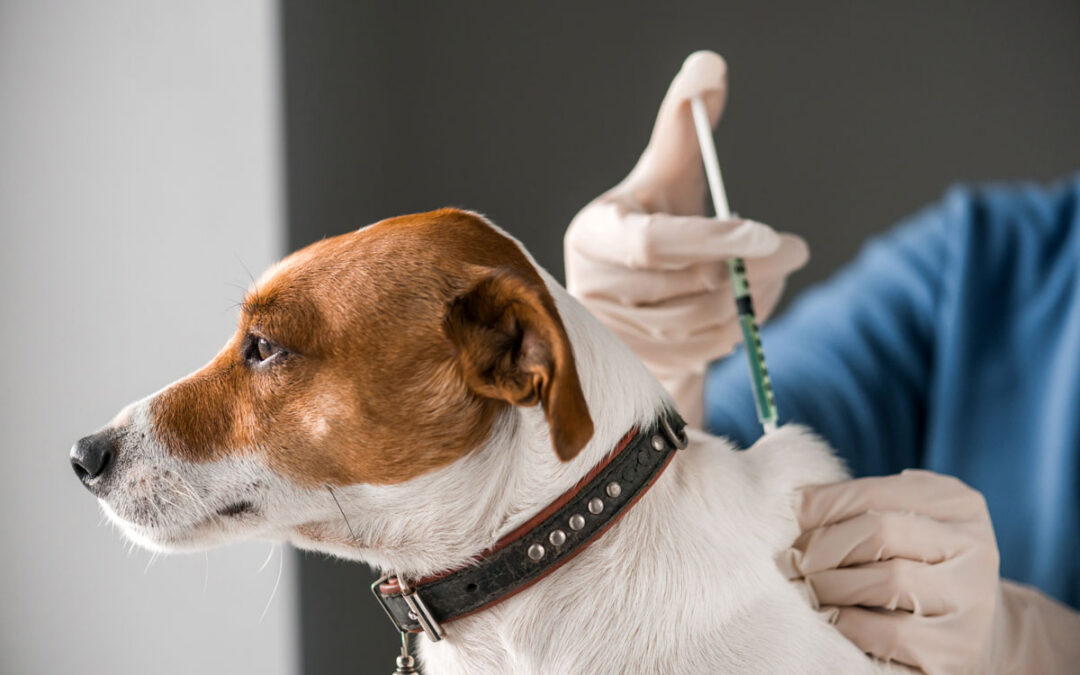
Pet vaccinations Spencer IA protect your pet from serious diseases and help prevent outbreaks in the community. Vaccines strengthen your pet’s immune system and reduce the risk of life-threatening infections. Staying current with recommended vaccines keeps your pet healthier and helps protect other animals.
According to Time Magazine, over 50% of Americans are now hesitant to vaccinate their four-legged friends. However, vaccination programs play a major role in preventive care for pets because they help veterinarians stop illness before it begins.
When you follow recommended vaccination schedules and schedule regular veterinary visits, you support long-term pet health care that Spencer residents depend on for their animals.
Core Vaccines Protect Pets From Dangerous Diseases
Core vaccines protect pets from the most common and dangerous illnesses. These vaccines form the foundation of preventive care for pets and help stop diseases that spread easily between animals. Dogs and cats require several core vaccines during early life and throughout adulthood.
Your veterinarian will recommend vaccines that address the most serious threats in your region. For dogs, these often include rabies and distemper-related vaccines. For cats, veterinarians often recommend protection against rabies and feline viral diseases.
Veterinarians also review lifestyle factors when determining the right vaccination schedule that IA pet owners should follow.
Lifestyle Determines Additional Vaccine Needs
Not every pet faces the same health risks. Your veterinarian will adjust pet vaccine options based on your pet’s lifestyle and environment. Pets that travel, visit parks, or interact with other animals may require additional protection.
For example, dogs that spend time outdoors may benefit from vaccines that target regional bacterial infections. Cats that spend time outdoors may also face higher disease exposure.
A veterinarian at a trusted small animal clinic Spencer residents rely on can review lifestyle details and recommend the right protection plan.
Early Vaccination Builds Lifelong Protection
Puppies and kittens need protection early in life. Early vaccination helps young pets develop immunity before they encounter dangerous diseases. Young animals have immature immune systems and face higher infection risks.
Veterinarians usually start vaccinations during the first months of life. Booster shots follow in stages to strengthen immunity.
Following the recommended vaccination schedule IA veterinarians provide helps ensure strong protection throughout development.
Booster Shots Maintain Ongoing Immunity
Vaccination does not end after the first round of shots. Booster vaccinations help maintain strong immunity as your pet grows older. Over time, immune protection can weaken without additional doses.
Veterinarians schedule booster visits based on vaccine type and your pet’s age. These visits also allow your veterinarian to monitor your pet’s health.
Routine booster appointments play a major role in the pet health care Spencer veterinarians can provide.
Regular Veterinary Visits Support Vaccine Planning
Vaccination works best when combined with regular checkups. Veterinary visits allow professionals to track your pet’s health and adjust vaccination plans when needed. During exams, veterinarians assess weight, behavior, and overall wellness.
Regular visits also allow early detection of illnesses. Identifying problems early often leads to easier treatment and better outcomes.
A trusted small animal clinic Spencer pet owners visit regularly can help maintain a consistent health plan.
Preventive Health Care Protects Your Pet Long Term
Vaccination represents one part of a broader wellness plan. Preventive care for pets includes routine exams, parasite prevention, and nutritional guidance. Together, these services help maintain strong health throughout your pet’s life. Preventive care programs often include:
These services work together with vaccination programs to support long-term health.
Veterinary Guidance Helps Pet Owners Make Informed Choices
Pet owners sometimes feel overwhelmed by vaccination decisions. Professional guidance helps you choose the right pet vaccine options without confusion. Veterinarians understand disease risks and regional health concerns.
Your veterinarian can explain vaccine benefits, potential side effects, and recommended schedules. This guidance helps ensure your pet receives appropriate protection without unnecessary treatments.
Reliable outdoor exposure assessments and lifestyle reviews help veterinarians tailor vaccination plans effectively.
Community Protection Starts With Responsible Vaccination
Vaccination benefits the entire pet community. Widespread vaccination reduces the spread of contagious diseases between animals. When more pets stay vaccinated, outbreaks become less likely.
Community protection matters in areas where pets interact at parks, boarding facilities, and veterinary clinics. Likewise, responsible vaccination supports healthier communities and protects vulnerable animals.
Frequently Asked Questions
How Often Should Pets Receive Vaccinations?
Most pets require vaccinations once a year or every three years depending on the specific vaccine. Puppies and kittens need several doses during their first months of life. Adult pets usually receive booster shots at regular intervals recommended by a veterinarian.
Are Pet Vaccines Safe For Dogs And Cats?
Veterinary vaccines go through extensive testing before veterinarians use them in practice. Most pets tolerate vaccinations very well. Mild soreness or fatigue may occur after the appointment, but serious reactions rarely happen.
What Happens If My Pet Misses A Vaccine?
Missing a vaccination appointment can weaken your pet’s protection against disease. Your veterinarian may recommend restarting certain vaccine series or providing booster doses. Scheduling regular veterinary visits helps avoid gaps in protection.
Do Indoor Pets Need Vaccinations?
Indoor pets still benefit from vaccinations. Diseases can enter homes through contact with people, other animals, or contaminated surfaces. Vaccination helps protect pets even if they spend most of their time indoors.
Pet Vaccinations Spencer IA: Help Protect Your Pet’s Future
Pet vaccinations Spencer IA help protect animals from preventable diseases while supporting long-term health. Vaccination programs strengthen immunity, reduce illness risk, and support community protection. When pet owners follow recommended vaccination plans, they give their pets the best chance for a healthy life.
Homestead Small Animal Practice provides trusted veterinary care for families throughout Northwest Iowa. Our experienced team offers wellness exams, immunization programs, advanced diagnostics, and compassionate treatment for dogs, cats, and exotic animals. They focus on preventive care, personalized health plans, and respectful treatment for every pet.
If your pet needs vaccinations or routine care, contact Homestead Small Animal Practice today. Our caring veterinary team will help you schedule your next appointment and keep your pet healthy for years to come.

Feb 28, 2026
Finding a veterinarian in Spencer, IA, involves evaluating credentials and experience. Choosing the right professional helps ensure a pet’s long-term health and well-being.
According to the Insurance Information Institute, 94 million U.S. households own a pet. Keeping your fur baby healthy and happy relies on getting them the proper veterinary care.
Seeking out local vet recommendations can help narrow options and provide insight into quality care. Personal experiences from the community highlight clinics that prioritize pets’ health and comfort.
Follow these veterinarian selection tips to find Spencer pet care advice. Discover what goes into the best vet clinics in Spencer, IA, below.
How Do You Choose the Right Veterinarian in Spencer, IA for Your Pet?
Choosing the right veterinarian in Spencer, IA starts with verifying credentials and experience. Researching a clinic’s services ensures they meet a pet’s specific needs.
Visiting the facility helps evaluate elements such as:
- Cleanliness
- Staff professionalism
- Environment
- Preventive care
- Emergency protocols
- Communication styles
Clarify how the clinic supports ongoing Spencer pet health needs. Balancing these factors helps pet owners make informed decisions.
Recommendations from friends and family highlight positive experiences. Local pet communities provide insight into trusted professionals
Prioritizing the long-term well-being and comfort of your pet is essential.
What Factors Matter Most When Comparing the Best Vet Clinics in Spencer?
The Conversation reveals that Americans spent $41 billion on veterinary costs in 2025. When comparing the best vet clinics in Spencer, consider how clinics maximize value for the investment.
Check appointment availability and office hours. Assess cost transparency to understand pricing and payment options.
Look for clinics offering specialized services, such as dental care or senior pet programs. Evaluate how emergencies and follow-up care are handled.
Consider location and ease of access to reduce travel stress. Focusing on practical and targeted factors allows pet owners to select a clinic that provides consistent care.
How Can Veterinarian Selection Tips Help First-Time Pet Owners Decide?
Utilizing veterinarian selection tips guides first-time pet owners through unfamiliar decisions. Learning which questions to ask helps clarify a pet’s specific needs.
Observing how a clinic introduces preventive care offers insight into overall practices. Reviewing available wellness programs highlights opportunities for proactive care.
Understanding communication methods supports ongoing pet health. This includes digital updates or follow-up guidance.
Establishing trust with the veterinarian lays the foundation for a pet’s long-term wellness. Using these tips encourages healthy routines for both pets and their owners.
What Should Pet Owners Ask Before Committing to a New Veterinary Clinic?
The American Veterinary Medical Association found that 86.8% of dog owners and 77.1% cat owners report having a regular veterinarian or veterinary practice. When it comes to actually visiting a veterinary practice, these numbers drop to 74.2% for dogs and only 57.3% for cats.
Many pets do not visit a veterinary clinic regularly, even if they have a regular veterinarian.
Example questions to ask a potential vet include:
- What are the veterinarian’s specializations?
- How does the clinic handle after-hours emergencies?
- Do you offer telemedicine or virtual consultations?
- What wellness exams are available for pets of different ages?
Owners should ask these questions to ensure the best veterinarian fit.
How Do Licensing and Continuing Education Affect Veterinary Care Quality?
Licensing confirms that a veterinarian meets professional standards. It ensures they can practice veterinary medicine safely.
Ongoing education enables current knowledge on medical advances. Learning new treatments improves care quality.
Following the necessary requirements reduces errors and enhances outcomes. Clinics adopt the best practices to maintain high standards.
Veterinarians create health plans using evidence-based treatments. Regular examinations help maintain overall wellness.
Monitoring health consistently preserves long-term well-being for each animal.
Why Does Communication Style Matter When Working With a Local Vet?
Clear communication helps pet owners understand diagnoses and treatment options. Listening carefully allows veterinarians to fully address concerns.
Explaining instructions in plain language ensures owners follow care plans correctly. A friendly, respectful tone encourages collaboration and builds trust.
Open dialogue reduces mistakes with medications or procedures. When owners feel informed, it improves their adherence to Spencer pet health guidance.
How Can Spencer Pet Care Advice Guide Long-Term Veterinary Decisions?
Proper Spencer pet care advice guides owners in scheduling checkups and vaccinations to prevent illness.
Receiving recommendations on diet and exercise promote ongoing wellness. Understanding early signs of health issues allows for prompt veterinary attention.
Advice helps owners choose specialists and appropriate treatments. Following evidence-based strategies improves adherence to care plans.
Expert tips support safe evaluation of new therapies to protect long-term health. Careful planning extends pets’ lifespan.
Consistent management enhances the overall quality of life for every pet.
Frequently Asked Questions
How Often Should Pets in Spencer, IA, Visit a Veterinarian for Routine Care?
Pets in Spencer, IA, should visit a veterinarian at least once a year for routine exams.
Puppies and kittens may need more frequent checkups for vaccinations. Senior pets benefit from biannual visits to monitor age-related conditions.
Regular visits help detect health issues early and maintain wellness throughout a pet’s life.
What Paperwork or Medical Records Should be Brought to a New Clinic?
Pet owners should bring vaccination records to a new clinic. Identification and microchip information confirm the pet’s identity.
Previous medical history helps veterinarians understand ongoing conditions. Listing current medications with dosages ensures safe care.
Including recent lab results or imaging reports provides context. Providing insurance details supports coverage and billing.
How Can Pet Owners Prepare Nervous Pets for Their First Appointment?
Owners can help nervous pets by familiarizing them with carriers or travel crates.
Using gentle handling and calm voices can reduce anxiety. Bringing favorite toys or blankets provides additional comfort.
Taking short practice trips builds confidence. Rewarding positive behavior with treats reinforces calmness.
Scheduling appointments during quiet hours minimizes stress.
Find Your Qualified Veterinarian in Spencer, IA, at Homestead Small Animal Practice Today
A veterinarian in Spencer, IA, ensures pets receive proper preventive care. Careful preparation makes appointments less stressful for animals. Consistently following professional guidance strengthens the long-term health and promotes your pet’s lasting well-being.
Homestead Small Animal Practice, located in Spencer, IA, provides the highest quality veterinary care available in the region. We offer dental, immunization, wellness exams, and so much more. Our caring team treats your pets like our own, whether they’re a cat, dog, or exotic pet; they’re in good hands here.
Contact Homestead Small Animal Practice to schedule your pet’s next appointment with us today.
Jan 29, 2026
Pet wellness exams in Spencer, IA, detect hidden health issues early, prevent disease, and keep your pet thriving. They outline the key steps, including vaccinations, nutrition, exercise, and preventive care, to maintain your pet’s health and happiness. Checkups also reveal subtle changes in behavior, weight, or dental health before they become serious problems.
An April 16, 2025, Gallup report states that about 52% of pet owners in the U.S. delayed or chose not to seek veterinary care within the past year. If you are among them, it is important to start scheduling routine exams. Taking this step gives you the confidence that your pet’s health is being monitored and managed proactively.
What Are Pet Wellness Exams and Why Do They Matter?
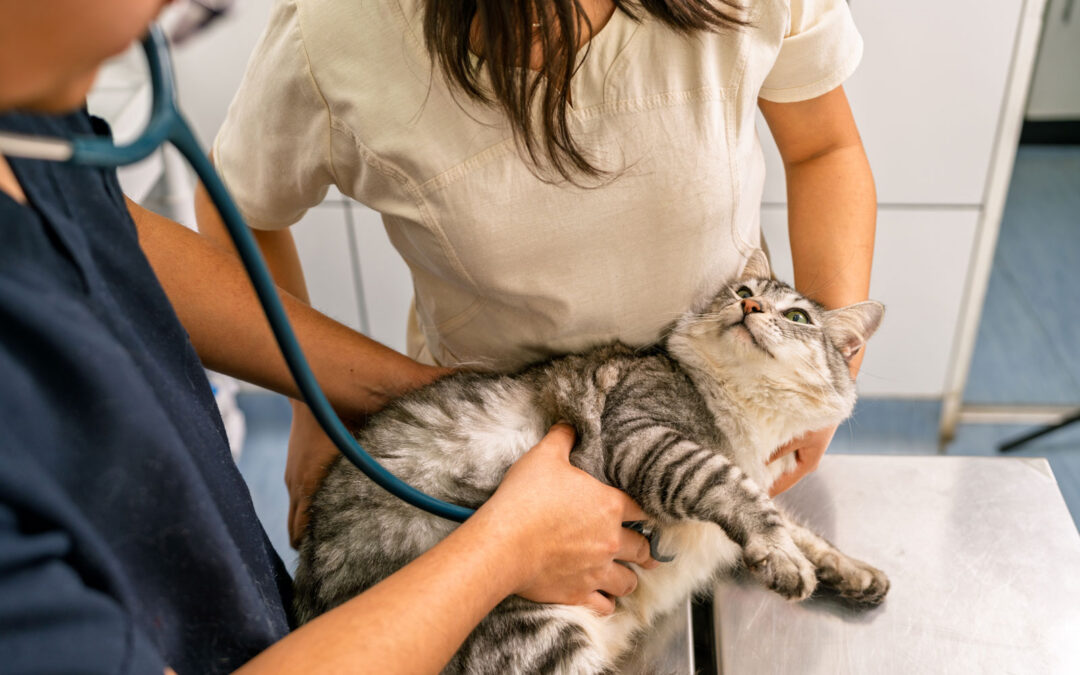
Pet wellness exams in Spencer, IA, are proactive, scheduled visits designed to assess your pet’s overall health rather than treat existing illnesses. They help your vet spot subtle changes that owners might miss. These exams typically include
- Physical checks
- Lab screenings
- Preventive measures
How Often Should Pets Get Wellness Exams?
The frequency of wellness exams depends on your pet’s age, health, and species. Here is a breakdown so you know how often to bring your pet to the vet for optimal health.
Dogs
If you have a puppy, plan for visits every three to four weeks until their vaccines are complete. Adult dogs usually need a yearly checkup and vaccinations.
For senior dogs, a visit every six months helps monitor age-related changes. Dogs with chronic health issues may need more frequent visits, based on your vet’s advice.
Cats
Kittens also need exams every three to four weeks until their vaccinations are done. Adult cats benefit from an annual checkup that includes dental care.
Senior cats should visit every six months to keep track of kidney health, dental condition, and weight. Cats with ongoing health concerns should follow the schedule your vet recommends.
Small Mammals and Exotic Pets
For rabbits, guinea pigs, and ferrets, plan at least one visit per year. Birds and reptiles need a schedule that depends on their species and health. If your pet has special needs or chronic conditions, your veterinarian will guide you on the best timing.
What Happens During a Pet Wellness Exam?
When you bring your pet in for a wellness exam, your veterinarian will follow a series of steps to evaluate its health. These steps ensure that nothing is overlooked, giving you a clear understanding of your pet’s condition.
Physical Assessment
The vet starts with a full physical evaluation to detect any early signs of health issues. This examination provides a baseline for your pet’s overall health and helps track changes over time.
It also gives you practical advice on maintaining your pet’s daily health. During this assessment, the vet typically checks:
- Weight and body condition
- Coat, skin, and overall appearance
- Eyes, ears, nose, and mouth
- Teeth and gums
- Joints and mobility
Preventive Care
Next, the vet reviews preventive measures to keep your pet protected. This ensures that your pet stays healthy and reduces the risk of future illness. Preventive care may include:
- Vaccinations
- Parasite prevention
- Microchipping or spay/neuter updates
Updating these measures helps your pet avoid common health issues. It also provides peace of mind that your pet is covered for preventable conditions.
Diagnostics and Lab Work
Some pets may need additional tests to get a complete picture of their health. Lab work can reveal problems that aren’t visible during a physical exam. Tests often include:
- Blood tests
- Urinalysis
- Fecal exams
- Other diagnostics recommended by the vet
These diagnostics give your vet valuable data to guide treatment. They help you make informed decisions about your pet’s care.
Lifestyle and Behavior Guidance
Finally, your vet discusses daily care to support long-term well-being. This guidance ensures that your pet stays happy and healthy between visits.
It also ensures that the benefits of routine pet checkups extend beyond the clinic. Topics typically covered include:
How to Choose the Right Animal Clinic in Spencer
If you are considering a clinic like Homestead Small Animal Practice, you already know the importance of quality care. Choosing the right clinic ensures your pet receives proper attention and guidance. Look for:
Reliable vet services in Spencer, IA, provide access to professional guidance and pet health advice you can trust. Comfortable surroundings also make visits easier for your pet and help exams go smoothly.
Frequently Asked Questions (FAQs)
What Should I Bring to the Appointment?
Before your visit, it’s helpful to gather a few key items to make the most of your pet’s wellness exam. Bring:
- Medical records
- Vaccination history
- Notes on behavior, appetite, or weight changes
Preparing questions for your vet ensures the visit is productive. Being organized helps you and your pet get the most out of the appointment.
Are There Payment Options for Wellness Exams?
Many clinics offer wellness plans or flexible payment options. These make preventive care more manageable.
It also helps ensure your pet continues to receive consistent attention. Asking about available plans can make ongoing Spencer, IA, pet care easier to manage.
How Can I Reduce My Pet’s Stress During Visits?
Bring familiar items like toys or a blanket, and stay calm yourself. Follow any tips your vet provides for a smoother visit. A relaxed environment helps your pet feel more comfortable and improves the effectiveness of the exam.
Pet Wellness Exams in Spencer, IA: Begin Taking Charge of Your Pet’s Health Today
Regular pet wellness exams in Spencer, IA, keep your pets healthy and happy. Staying on top of checkups and preventive care protects their long-term health. Trust the guidance of a reputable veterinarian to give your pet the care they deserve.
Experience exceptional care for your pets at Homestead Small Animal Practice, serving Spencer, IA, and surrounding areas since 2022 under the leadership of Dr. Maggie Hirschfield. Our team of veterinarians provides full-service care for dogs, cats, and exotic pets, including wellness exams, surgery, dental, and boarding.
We offer compassionate, professional treatment in a safe and clean environment. Contact us today to give your pets the care they deserve.
