
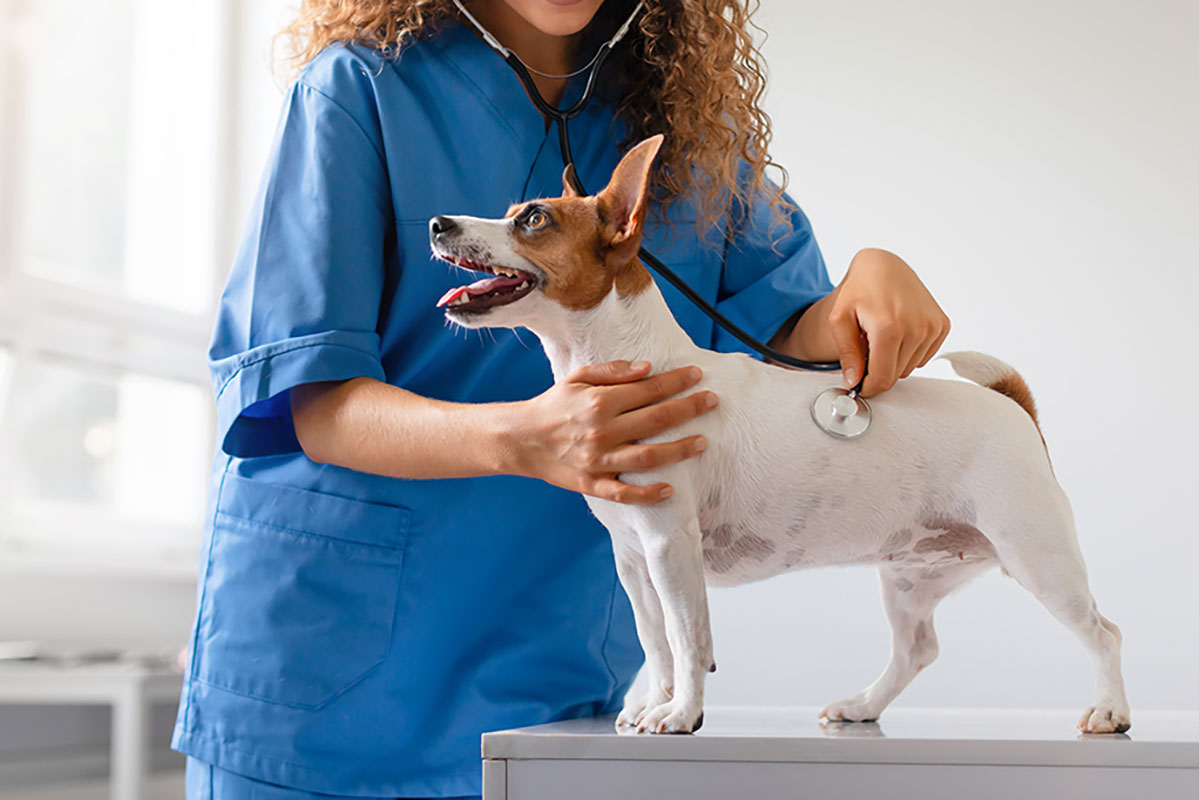
Call a veterinarian immediately if your pet is struggling to breathe, bleeding heavily, unable to stand, having a seizure, straining to urinate with nothing coming out, or has eaten something toxic. These are not wait-and-see symptoms. During business hours, call Homestead Small Animal Practice in Spencer at (712) 262-8990 and we will tell you what to do next. After hours, call the same number and follow the instructions for reaching care.
And if you are not sure whether you need an emergency vet, call anyway. A two-minute phone call costs you nothing, and in most true emergencies the pets that do best are the ones whose owners called early.
Key Takeaways
- Trouble breathing, heavy bleeding, collapse, seizures, urinary straining, and toxin ingestion all need a veterinarian now, not in the morning.
- Pets hide pain and illness, so “he seems fine” is exactly where serious problems hide.
- If your pet ate something toxic, call before you treat anything at home, and never make a pet vomit without being told to.
- Rabbits, birds, and other exotic pets become emergencies faster than dogs and cats do.
- Save (712) 262-8990 in your phone now. After hours, the same number gives you instructions for reaching care.
Do You Need an Emergency Vet, or Can It Wait Until Morning?
It is 10 p.m., your dog is retching, and the Facebook group is split between “he’s fine” and “go right now.” That is the moment this article is for.
Here is the honest starting point: animals hide illness. It is instinct, and they are good at it. By the time a cat looks sick on the couch, she has usually been sick for a while. So the question is never “does he seem okay,” because he will try to seem okay. The question is whether you are seeing one of a short list of signs that do not wait well.
You do not have to make that judgment alone. Describe what you are seeing over the phone and we will tell you whether it can wait until morning. That call is the single most useful tool you have.
What Are the 6 Signs Your Pet Needs a Vet Now?
1. Trouble breathing or choking
Labored breathing, nonstop coughing or gagging, and gums that look blue, gray, or white instead of pink all mean minutes matter. A cat breathing with her mouth open is an emergency every time; cats do not pant to cool off the way dogs do. The American Veterinary Medical Association puts breathing difficulty near the top of its list of animal emergencies that need immediate care, and so do we. Call while you are getting in the truck.
2. Heavy bleeding or trauma
Bleeding that does not stop within about five minutes of steady pressure needs a veterinarian, as does any pet hit by a vehicle, kicked by livestock, caught in machinery, or dropped from a height. In farm country the trauma cases climb every harvest, and the dangerous ones are often the dogs who “walked it off.” Internal bleeding and organ injury do not always show on the outside, and a dog can look fine for hours before crashing. After any real impact, get checked the same day.
3. Your pet ate something toxic
Rodenticide, antifreeze, human medications, xylitol gum, grapes and raisins, and lilies for cats are the ones we hear about most, but the list is long. Call us first, or reach a veterinary toxicologist any hour at ASPCA Animal Poison Control at (888) 426-4435 or the Pet Poison Helpline at (855) 764-7661. Both run around the clock and charge a consultation fee that is worth every penny. Grab the packaging so we know exactly what and how much, and do not make your pet vomit unless a professional tells you to. Some substances do more damage coming back up.
4. Sudden collapse or inability to stand
Weakness, wobbling, dragging the back legs, or full collapse can point to heart problems, internal bleeding, or a neurologic issue, and none of those sorts themselves out overnight. One pattern worth knowing if you own a deep-chested dog: restlessness, a swelling belly, and retching that produces nothing can mean the stomach has twisted. Veterinarians call it gastric dilatation-volvulus, or bloat, and it is fatal without prompt surgery. If you see that combination, go now.
5. Vomiting or diarrhea that will not stop
One episode followed by a normal, hungry pet can usually wait for a regular appointment. Repeated vomiting or diarrhea over a few hours, blood in either, or vomiting paired with lethargy is a different animal. Dehydration sets in fast, fastest of all in puppies, kittens, small breeds, and seniors, and it makes everything else worse. When in doubt, call and describe the frequency; that detail usually decides it.
6. Signs of severe pain
Pets rarely cry the way people expect. Pain looks like panting at rest, pacing, hiding, guarding the belly, refusing stairs, snapping when touched, or a pet who suddenly will not eat. One version deserves its own alarm: a cat straining in the litter box with little or nothing coming out may have a urinary blockage, which can kill a cat in a day or two. And when an older dog goes downhill fast, resist the “she’s just slowing down” explanation. Age is not a disease. A sudden change is a symptom, and pain we can find is usually pain we can treat.
What About Rabbits, Birds, and Other Exotic Pets?
Smaller and more specialized species run out of reserve faster. A rabbit that skips two meals is an emergency even though a dog that skips two meals usually is not, because a rabbit’s gut can shut down entirely, a condition called GI stasis, within a day of not eating. A bird sitting fluffed on the cage floor or bobbing its tail with each breath has likely been hiding illness for days and needs to be seen now.
Dr. Samantha Ford, who leads our exotic animal service, sees birds, reptiles, rabbits, guinea pigs, and other small mammals every week. Very few clinics in northwest Iowa see these species at all, so if you own one, save our number twice.
What Should You Do While You Get to the Vet?
Call ahead so the team is ready when you walk in. Keep cats and small pets in a carrier, and move a large injured dog on a blanket or board rather than lifting him under the belly. Know that hurt animals bite, even yours, even the gentle ones; keep your face away from his mouth and ask for help moving him. For poisonings, bring the packaging or a sample of anything he chewed or vomited. The AVMA’s first aid tips for pet owners are worth reading on a calm day. First aid buys time on the drive. It never replaces the exam.
When Should You Call the Vet Right Now?
Call (712) 262-8990 now if your pet has any of these:
- Difficulty breathing, choking, or blue, gray, or white gums
- Bleeding that will not stop within five minutes, or any hit-by-car or machinery injury
- Known or suspected contact with a toxin, including rodenticide or antifreeze
- Collapse, inability to stand, or a seizure, especially one lasting more than a few minutes or repeating
- Unproductive retching with a swelling belly
- Straining to urinate with little or nothing produced
- Repeated vomiting or diarrhea, or blood in either
- An eye injury, or an eye that is suddenly swollen, cloudy, or painful
- A rabbit, bird, or other exotic pet that has stopped eating
- Signs of severe pain, or a pet who cannot get comfortable
Mention it at the next regular visit instead if it is an occasional soft stool in an otherwise bright pet, mild itching, one skipped meal in a healthy adult dog, or a lump that has been the same size for months. If a “wait” symptom changes or multiplies, it moves to the call-now list.
After hours, call the same number, (712) 262-8990, and follow the instructions for reaching care.
How Does Homestead Handle Urgent Cases?
Homestead Small Animal Practice is a full-service veterinary practice, which matters most on the bad days. With three veterinarians on staff, digital X-ray, ultrasound, surgery, and an in-house pharmacy under one roof, an urgent case can usually be diagnosed and treated in the same building, the same day. Our surgical patients are monitored with ECG, pulse oximetry, blood pressure, and capnography, because urgent surgery deserves the same care as a planned one.
We want to be straightforward about what we are not: Homestead is not a 24-hour emergency hospital. During business hours, Monday through Friday 7:30 to 5:30 and Saturday mornings until noon, call ahead and come in. After hours, call (712) 262-8990 for instructions on reaching care. And when a case needs a specialty or overnight facility, we will tell you plainly and help you get there, because the right answer for your pet is the only answer we are interested in.
What If You’re Worried About the Cost?
Emergency care costs more than a scheduled visit because it takes more: diagnostics on the spot, trained hands pulled to one patient, sometimes anesthesia and surgery on no notice. We cannot quote a price for a pet we have not examined, and any veterinarian who does is guessing. What we can promise is an honest estimate and your options before treatment whenever the situation allows. Cost should not be the reason your pet waits for needed care. Homestead offers payment plans through Cherry, with 0% APR options available for eligible clients; ask at the front desk or see our Payment Plans page.
Frequently Asked Questions
Is Homestead a 24-hour emergency hospital?
No. We see urgent cases during business hours, Monday through Friday 7:30 to 5:30 and Saturday 7:30 to noon. After hours, call our main line at (712) 262-8990 and follow the instructions for reaching care.
Should I make my pet vomit after they eat something toxic?
Not unless a veterinarian or a poison control professional tells you to. Some substances, like caustic chemicals or sharp objects, cause more damage coming back up, and some home methods are dangerous on their own. Call first, every time.
My dog was hit by a car but seems fine. Do I still need a vet?
Yes, the same day. Internal bleeding and organ injuries can hide behind a normal-looking dog for hours. An exam and often an X-ray are how we know the difference between lucky and quietly bleeding.
Does pet insurance cover emergency visits?
Most policies cover emergency exams, diagnostics, and treatment, but deductibles, exclusions, and reimbursement rates vary a lot between plans. Read your policy on a calm afternoon, not at midnight in the parking lot, so you know what you are working with before you need it.
How can I prepare before anything goes wrong?
Save our number, (712) 262-8990, and the poison hotlines in your phone. Keep a carrier where you can grab it, know where your pet’s records are, and know your route to the clinic. Ten minutes of preparation removes most of the panic from a real emergency.
If your pet is showing any of the signs above, call us at (712) 262-8990 now. If everything is fine today, good: the best emergency plan is the problem we catch early, so book a wellness exam online, read our guide to what a wellness exam covers, or get in touch with a local team that knows the area and its animals.
This article is for general education and is not a substitute for an examination. A veterinarian can only diagnose and treat your pet through a valid veterinarian-client-patient relationship.