
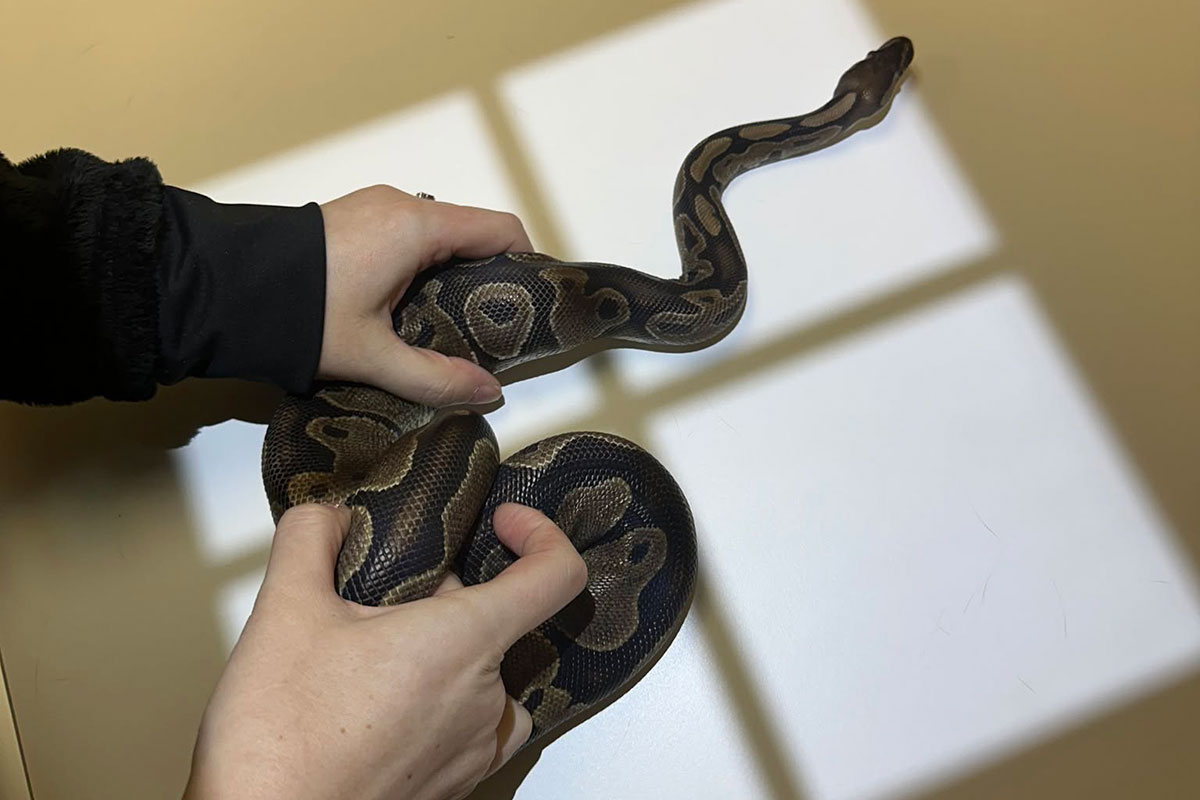
Exotic pets can develop a wide range of health problems that require specialized veterinary care. An exotic animal vet in Spencer, IA, may treat respiratory infections in birds, metabolic bone disease in reptiles, dental problems in rabbits and guinea pigs, parasite infestations, digestive disorders, and nutrition-related illnesses.
Have you noticed changes in your pet’s appetite, behavior, or activity level but aren’t sure whether they signal a medical problem? Exotic animals often have unique healthcare needs that differ significantly from those of dogs and cats.
Common Health Problems Seen in Birds
Pet birds can live for many years, but they are often skilled at hiding signs of illness. A visit to an exotic animal vet in Spencer, IA, may reveal health concerns that owners overlook during daily interactions:
- Respiratory infections
- Nutritional deficiencies
- Feather and grooming problems
- Parasites and infectious diseases
Respiratory Infections
Breathing problems are among the most common reasons birds need veterinary care. Owners may notice wheezing, tail bobbing, nasal discharge, or open-mouth breathing.
Poor air quality, infections, and environmental irritants such as smoke or aerosol products can contribute to respiratory disease. Prompt treatment is important since birds can deteriorate quickly once symptoms appear.
Nutritional Deficiencies
Many pet birds consume seed-heavy diets that lack important vitamins and minerals. Over time, poor nutrition can affect feather quality, immune function, and organ health. Proper exotic pet care often includes reviewing a bird’s diet and introducing more balanced food choices that meet the needs of the species.
Feather and Grooming Problems
Feather plucking can develop from stress, boredom, medical conditions, or environmental factors. Birds may also experience overgrown beaks or nails that interfere with normal activities. Veterinary examinations can identify underlying causes and determine appropriate treatment.
Parasites and Infectious Diseases
External parasites, bacterial infections, and fungal diseases can affect birds of all ages. Some conditions produce subtle symptoms at first, making routine wellness visits with a Spencer exotic vet valuable for early detection and treatment.
Reptile Health Conditions That Require Veterinary Attention
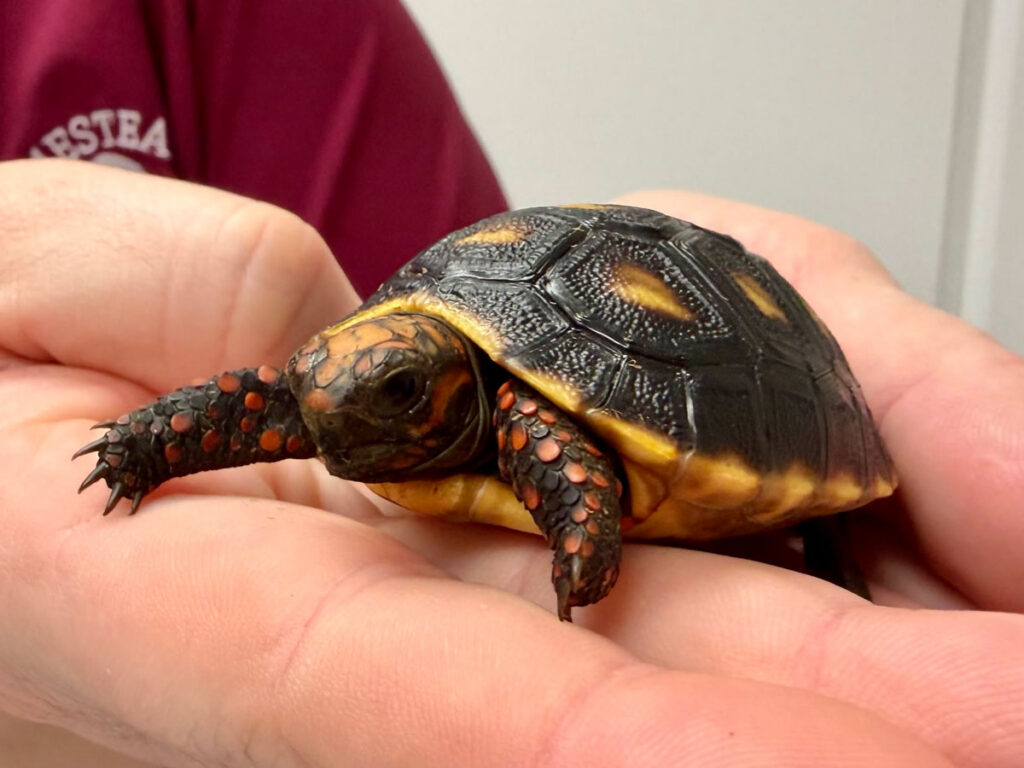
Metabolic bone disease is one of the most common reptile health concerns. It usually develops when a reptile does not receive enough calcium or proper UVB lighting.
Bones can become weak and deformed over time, leading to difficulty moving, jaw abnormalities, and fractures. Early diagnosis improves the chances of recovery.
Respiratory Infections
Snakes, turtles, and lizards can develop respiratory infections when enclosure temperatures are too low or environmental conditions are unsuitable. Symptoms may include wheezing, mucus around the nose, open-mouth breathing, or reduced activity.
Treatment often includes medication along with adjustments to the reptile’s habitat.
Skin and Shedding Problems
Healthy reptiles shed their skin regularly. Incomplete shedding can trap old skin around the toes, tail, or eyes, creating discomfort and circulation problems. Low humidity, dehydration, and underlying illness are common causes of shedding difficulties.
Digestive Disorders
Appetite loss, constipation, and intestinal blockages are among the unique pet issues that reptile owners may encounter. In some cases, reptiles accidentally consume substrate materials from their enclosures, which can interfere with normal digestion.
Parasite Infestations
Internal and external parasites affect many reptiles, especially newly acquired pets. Regular examinations by a Spencer exotic vet can identify these problems before they lead to significant weight loss or other health complications.
How an Exotic Animal Vet in Spencer, IA, Helps Small Mammals
Small mammals often require specialized care that differs from the needs of dogs and cats. An exotic animal vet in Spencer, IA may evaluate a wide range of conditions:
- Dental disease
- Digestive disorders
- Nutrition and weight concerns
- Skin and reproductive conditions
Dental Disease
Dental problems are especially common in rabbits and guinea pigs because their teeth grow continuously throughout life. When teeth become overgrown or misaligned, pets may struggle to chew, lose weight, or develop painful mouth sores. Regular examinations can identify these problems before eating becomes difficult.
Digestive Disorders
Rabbits are particularly vulnerable to gastrointestinal stasis, a condition in which the digestive tract slows or stops moving food normally. Reduced appetite, smaller droppings, and lethargy are common warning signs. Quick treatment is important since digestive problems can become serious in a short period of time.
Nutrition and Weight Concerns
Diet plays a major role in long-term health. Some pets consume too many treats or calorie-dense foods, leading to obesity and reduced activity.
Others may not receive enough fiber, vitamins, or minerals. A small animal vet in Spencer can evaluate feeding habits and recommend changes that better match a pet’s species and age.
Skin and Reproductive Conditions
Hair loss, itching, mites, and fungal infections are among the unique pet issues frequently seen in small mammals. Some animals also experience reproductive disorders, including uterine disease in female rabbits.
Routine wellness visits and early intervention can reduce the risk of complications and improve overall exotic pet care.
Frequently Asked Questions
What Warning Signs Suggest an Exotic Pet Needs Immediate Veterinary Care?
Exotic animals often hide illness until they are seriously sick, so sudden changes should never be ignored. Warning signs include difficulty breathing, seizures, severe weakness, rapid weight loss, refusal to eat, unusual swelling, bleeding, or a dramatic drop in activity.
An exotic animal vet in Spencer, IA, may also consider changes in droppings, balance, or posture to be signs that urgent medical attention is needed. Fast treatment can make a significant difference in many species.
How Do Diagnostic Tests Differ for Exotic Pets?
Diagnostic testing often varies based on the species being examined. Blood values that are normal for a bird may be very different from those of a reptile or rabbit.
Exotic pet care frequently involves specialized imaging, fecal testing, and species-specific laboratory interpretation. Veterinarians must consider anatomy, metabolism, and behavior when evaluating results and forming a diagnosis.
Exotic Animal Vet In Spencer, IA
An exotic animal vet in Spencer, IA, can diagnose species-specific conditions and guide preventive care that promotes long-term health.
At Homestead Small Animal Practice, we strive to deliver exceptional veterinary care with compassion, respect, and attention to detail. Our experienced team serves pet owners throughout Northwest Iowa, creating a safe and welcoming environment for exams, surgery, and treatment. In addition to traditional pets, Dr. Samantha Ford provides specialized care for birds, reptiles, amphibians, small mammals, pocket pets, wildlife, and zoo animals.
Get in touch today to find out how we can help with your exotic pet.